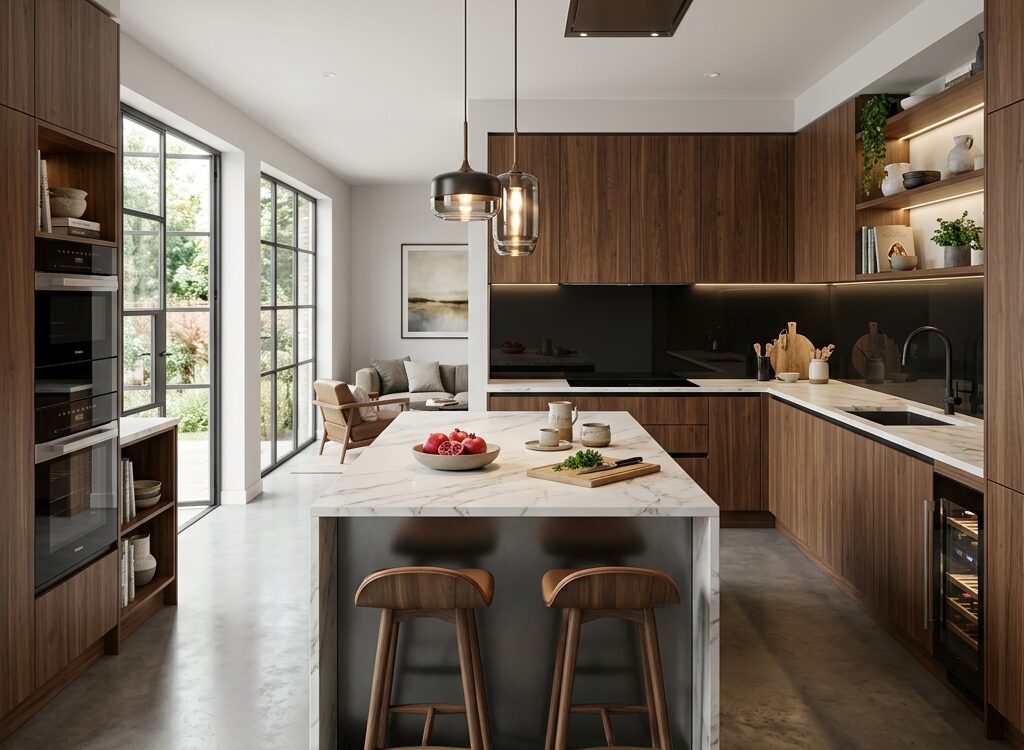
The kitchen is indisputably the heart of the modern home. It is no longer merely a utilitarian zone hidden behind closed doors; instead, it has evolved into a multi-functional sanctuary where culinary artistry, family gatherings, and high-end design converge. When embarking on a kitchen renovation, it is easy to get swept away by exquisite cabinet finishes, state-of-the-art appliances, and dramatic marble countertops. However, the true foundation of a luxurious, high-performance kitchen lies in its layout.
A well-planned modular kitchen layout seamlessly blends ergonomics with aesthetics, turning daily meal preparation into an effortless, enjoyable ritual. Choosing the right configuration requires a thoughtful balance of your home’s architectural footprint, your personal cooking habits, and the principles of spatial design. Whether you are an avid entertainer who loves hosting interactive dinner parties or a busy parent requiring a highly efficient, kid-friendly zone, selecting the perfect layout is the critical first step in bringing your dream kitchen to life.
Evaluate Your Space and Culinary Lifestyle
Before diving into design catalogs, you must conduct a thorough assessment of your physical space. Begin by mapping out the structural boundaries of the room, noting the exact locations of windows, doors, structural pillars, and existing utility connections for plumbing, gas, and electricity. While modular kitchens offer incredible flexibility, working with your home’s natural architectural flow—rather than fighting against it—will save you significant time and construction costs. Take precise measurements and pay attention to how natural light enters the space, as this will influence where you position your primary prep zones and seating areas.
Equally important is a deep dive into your unique culinary lifestyle. Ask yourself how you actually use your kitchen on a daily basis: Are you a solo chef who values uninterrupted, laser-focused prep space, or does your kitchen serve as a social hub where family and friends gather while you cook? If you love hosting wine tastings or baking with your children, your spatial needs will differ vastly from someone who primarily uses their kitchen for quick weekday breakfasts and reheating gourmet deliveries. Your answers will dictate not only the shape of your kitchen but also the amount of counter space and storage you require.
Finally, consider the visual and physical integration of the kitchen with the rest of your home. If you have an open-concept living and dining area, your modular kitchen layout must harmonize with the adjacent rooms, maintaining a cohesive aesthetic while managing noise, cooking aromas, and foot traffic. Think about future-proofing your design as well; select a layout that can adapt to your lifestyle over the next ten to fifteen years, ensuring your investment in premium custom woodwork and craftsmanship remains highly functional and relevant as your family grows.
Master the Five Classic Modular Kitchen Shapes
To design an efficient workspace, you must familiarize yourself with the five classic modular kitchen configurations. The Straight (or One-Wall) kitchen is the ultimate space-saver, aligning all cabinets, countertops, and appliances along a single wall. This layout is exceptionally well-suited for compact apartments or open-plan loft spaces, offering a sleek, minimalist aesthetic. On the other end of the efficiency spectrum is the Parallel (or Galley) kitchen, featuring two facing walls of cabinetry. Highly favored by professional chefs, the galley layout minimizes the distance between prep zones, making it an incredibly productive setup that maximizes every square inch of counter space.
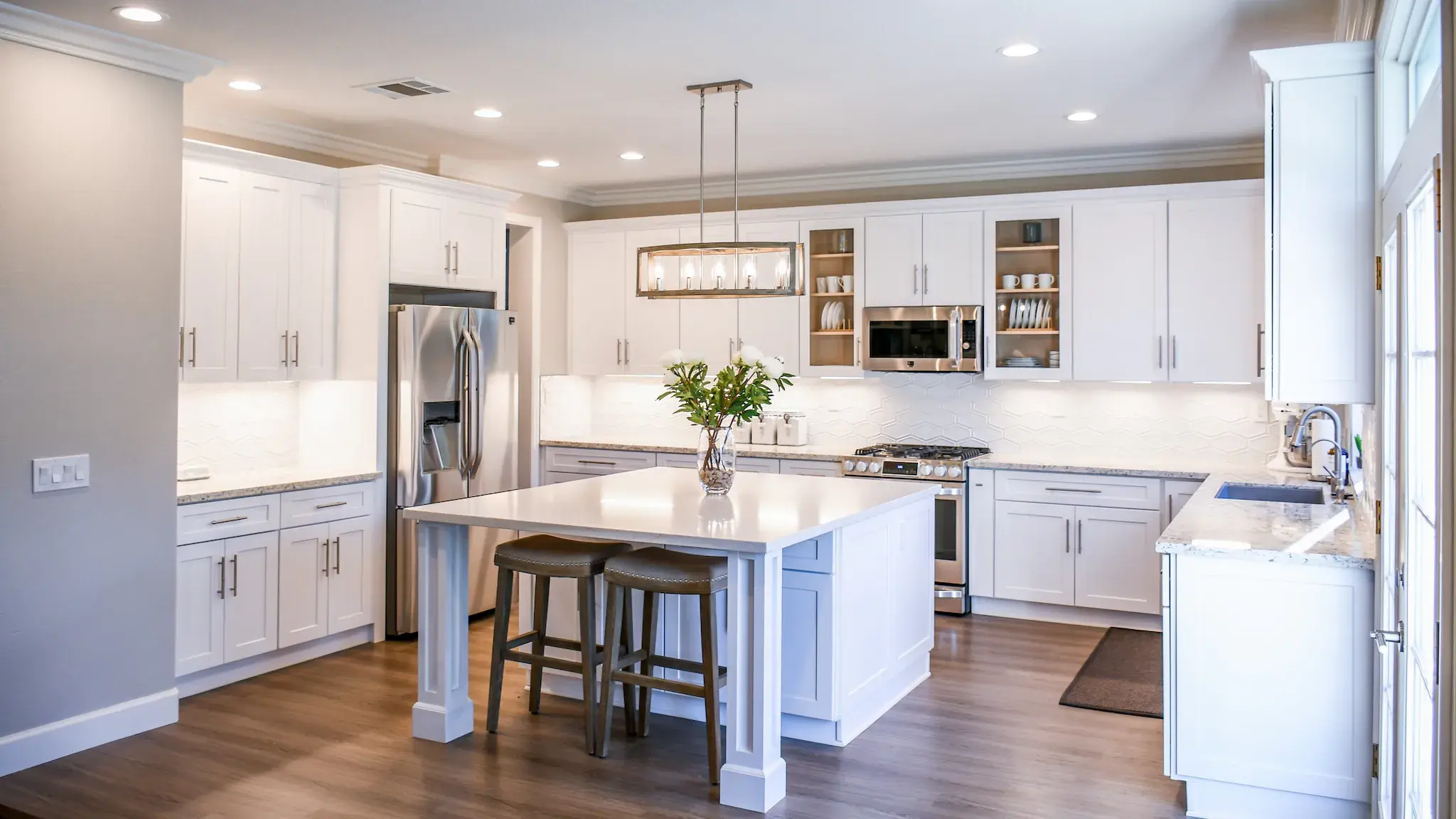
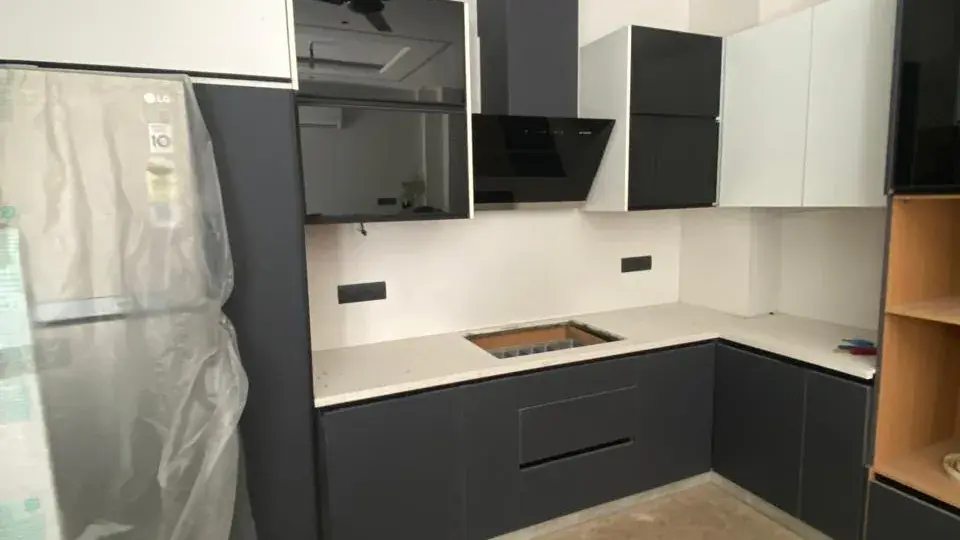
For homes with more generous footprints, the L-Shape and U-Shape layouts offer unmatched versatility. The L-shaped kitchen utilizes two adjacent walls, naturally opening up the center of the room to accommodate a dining table or a casual breakfast nook. This shape is incredibly popular for its ability to prevent traffic jams, allowing guests to mingle nearby without entering the active cooking zone. The U-shaped kitchen, wrapping around three walls, is a home chef’s paradise, offering maximum storage and countertop surface area while creating a highly secure, self-contained workspace that keeps onlookers safely out of the way of hot pans and sharp knives.
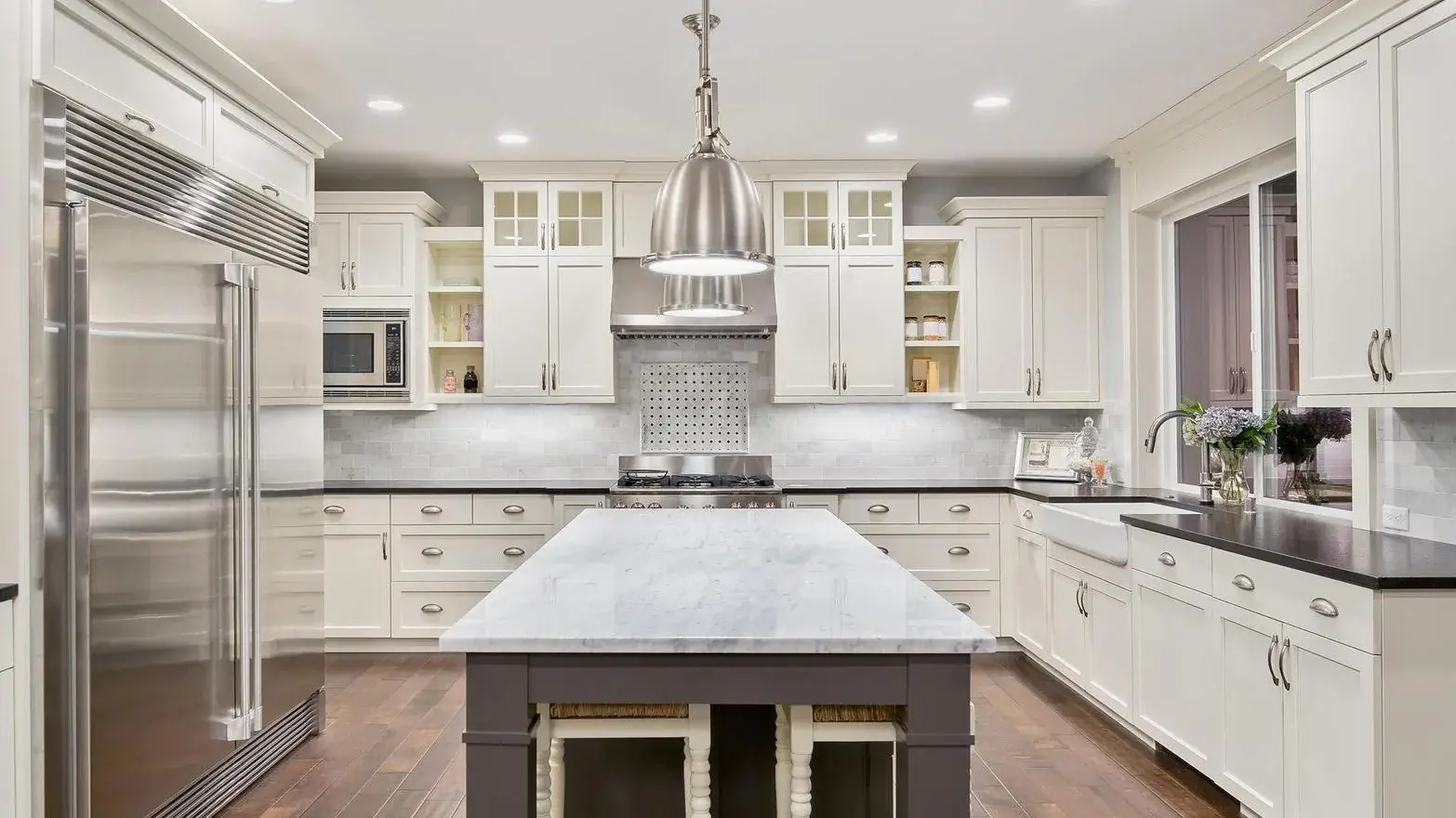
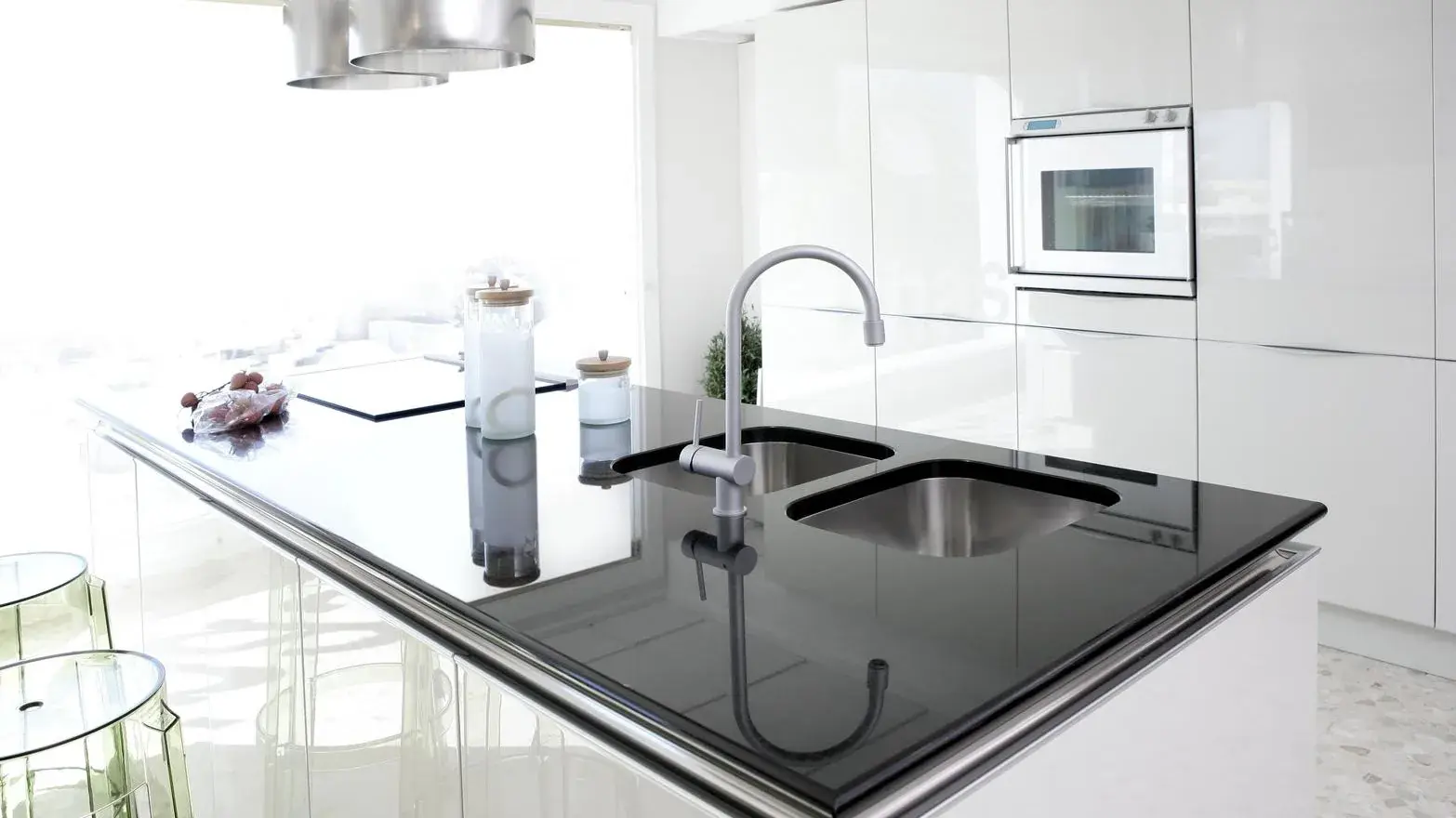
The ultimate expression of modern luxury is the Island or G-Shape layout. An island configuration adds a freestanding counter to a straight or L-shaped base, instantly transforming the kitchen into a social, multi-tasking hub perfect for casual dining, food prep, or housing a secondary sink or wine cooler. If you have a sprawling space and want to maximize utility, the G-shape layout extends a U-shaped kitchen with a peninsula. This provides an extraordinary amount of continuous counter space and storage, making it the premier choice for large families who love to cook and bake together.
Design Around the Golden Kitchen Work Triangle
No matter which layout matches your spatial footprint, your kitchen’s efficiency will ultimately stand or fall on the execution of the "Golden Kitchen Work Triangle." This time-tested design principle states that the three most crucial work areas—the sink (cleaning), the refrigerator (storage), and the stove (cooking)—should form the points of an imaginary triangle. The goal is to optimize the distance between these three elements, ensuring that the sum of all three sides of the triangle is neither too cramped nor too spread out, ideally measuring between 13 and 26 feet in total.
Implementing this triangle correctly prevents unnecessary steps and minimizes physical fatigue during meal preparation. In a well-designed work triangle, you should be able to easily transition from retrieving fresh ingredients from the refrigerator, washing them at the sink, and moving them to the cooktop with minimal effort. It is vital to ensure that no major household traffic pathways cut directly through this triangle, as this can lead to dangerous collisions when carrying hot pots or sharp utensils. Furthermore, ensuring ample countertop "landing zones" next to each appliance is crucial for safety and convenience.
In contemporary premium kitchens, designers are increasingly evolving the classic triangle into dedicated "Work Zones." As kitchens have grown larger and more technologically advanced, grouping tasks together—such as creating a dedicated baking zone with a marble pastry slab, a coffee and beverage bar, or a specialized cleanup zone with dual dishwashers—allows multiple people to work harmoniously in the space. By blending the classic principles of the work triangle with modern zoning, you can create a highly sophisticated, multi-chef environment that operates with absolute precision.
Match Premium Materials to Your Chosen Layout
The layout you select will heavily influence the types of premium materials and custom woodwork required to bring your design to life. For instance, high-traffic L-shaped and open-concept kitchens demand exceptionally durable, easy-to-clean cabinet finishes. To achieve a flawless, modern aesthetic, opt for anti-fingerprint acrylics or ultra-matte laminates that resist smudges and wear. For sprawling island layouts that serve as the visual centerpiece of the home, consider introducing rich, book-matched natural wood veneers or custom hand-lacquered cabinetry to create a stunning, furniture-like focal point.
When it comes to countertops, your layout’s configuration will dictate the seamlessness of the installation. Large island layouts and expansive U-shaped kitchens benefit immensely from premium engineered quartz, sintered stone, or dramatic natural quartzite. These materials offer the luxurious look of marble but possess the structural strength and non-porous qualities required to withstand heavy daily prep without staining. If your layout features complex corners, choosing a material that can be seamlessly joined by expert craftsmen will prevent dirt traps and maintain a sleek, continuous visual line across your countertops.
Finally, the internal hardware is the unsung hero of any premium modular kitchen, particularly in layouts with deep corners, like the L and U-shapes. To prevent these corner spaces from becoming inaccessible dark voids, invest in high-end, specialized corner pull-out systems such as LeMans corners or Magic Corners. Pair these with heavy-duty tandem drawer runners, soft-close hinges from industry-leading brands like Blum or Hettich, and integrated LED cabinet lighting. This meticulous attention to internal craftsmanship ensures that your kitchen operates with the whisper-quiet, effortless grace that defines true luxury.
Choosing the perfect modular kitchen layout is a deeply personal journey that marries the science of spatial ergonomics with the art of custom interior design. By carefully evaluating your physical space, understanding your culinary habits, and respecting the principles of the work triangle, you can create a kitchen that is not only breathtakingly beautiful but also a joy to cook in.
As you finalize your layout and begin selecting the premium materials, custom woodwork, and state-of-the-art hardware that will define your space, remember that a truly luxury kitchen is one that is tailored precisely to your life. Partnering with skilled craftsmen and design professionals will ensure that your chosen layout is executed to perfection, delivering a timeless, high-performance culinary sanctuary that will serve as the heart of your home for decades to come.