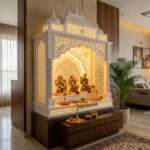
In the realm of modern interior design, the home temple (or pooja mandir) is undergoing a beautiful evolution. No longer confined to dark corners or heavy, ornate wooden closets, contemporary sacred spaces are embracing minimalism, clean lines, and innovative materials. As homeowners seek a balance between spiritual tradition and modern aesthetics, custom Corian CNC temples have emerged as the gold standard. By combining the sleek, versatile properties of acrylic solid surfaces with the precision of Computer Numerical Control (CNC) carving, designers are creating breathtaking, low-maintenance sanctuaries that fit seamlessly into premium modern homes.
Why Corian is the Perfect Choice for Modern Temples
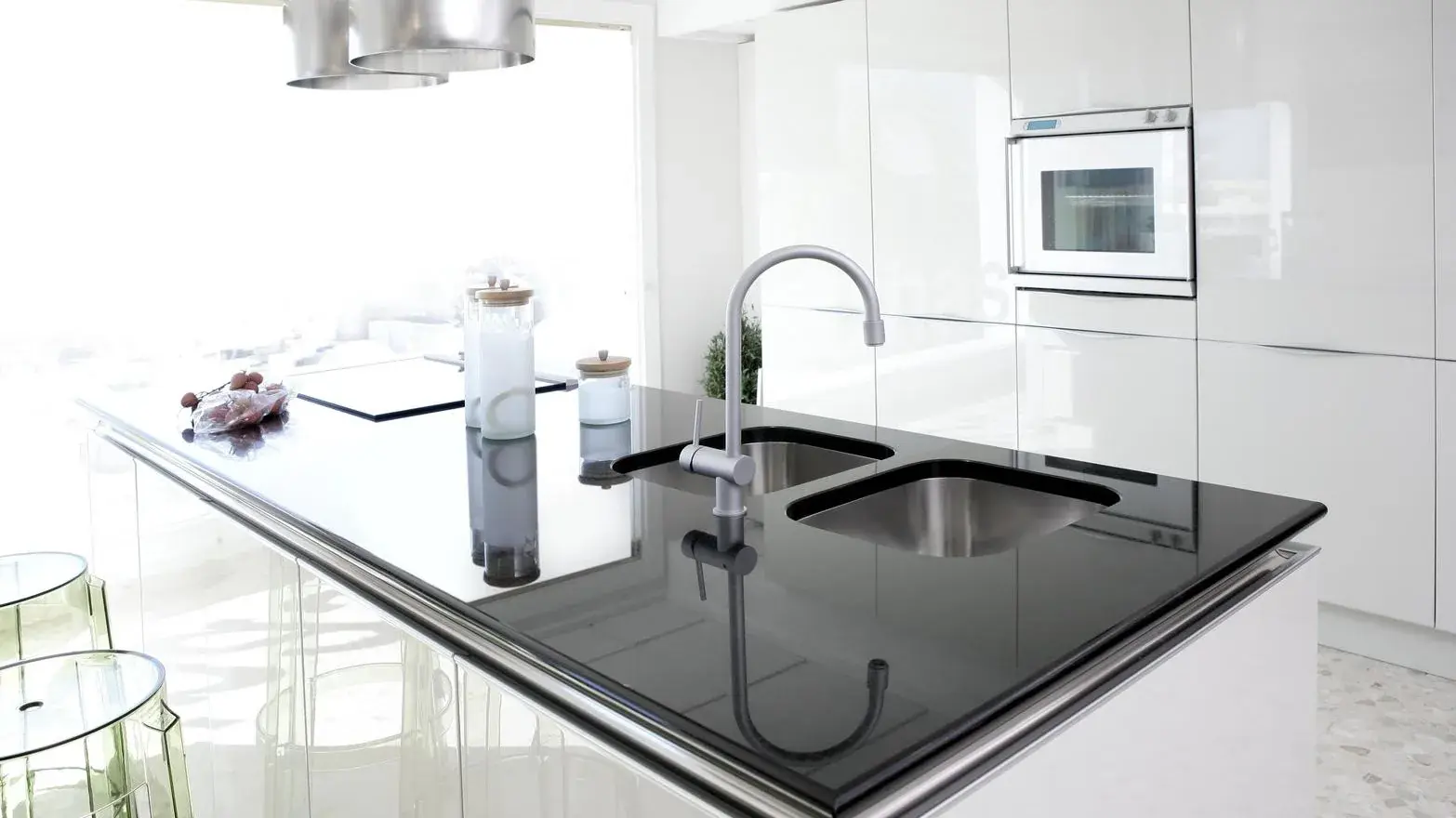
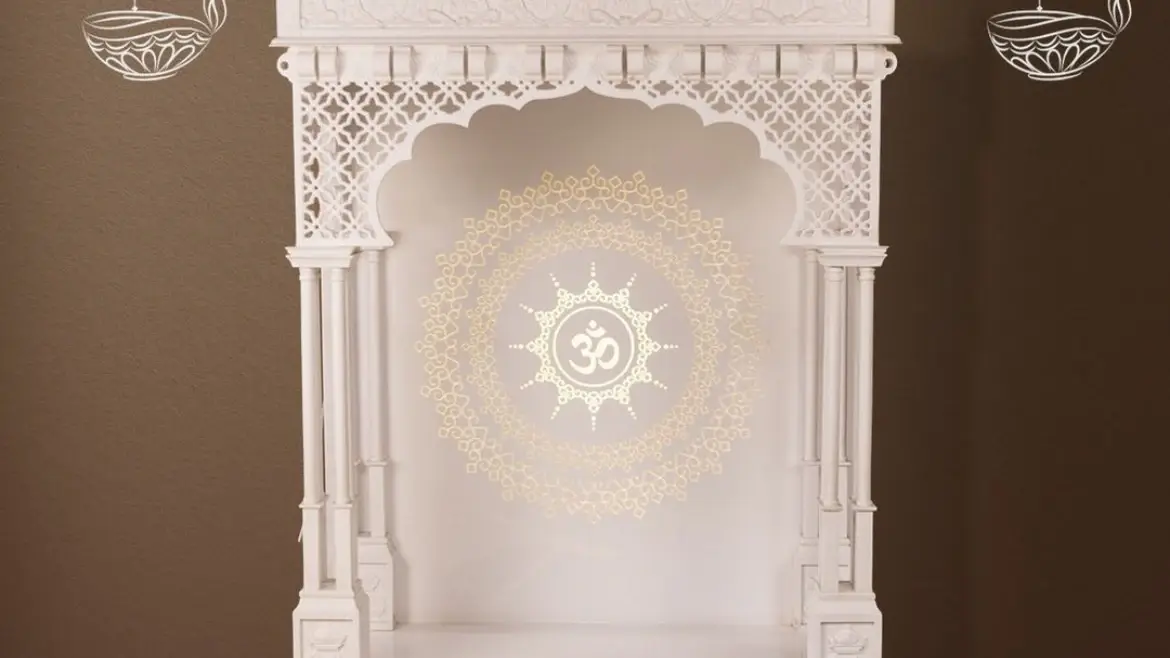
Corian, a high-performance solid surface material pioneered by DuPont, has transitioned from luxury kitchen countertops into the sacred heart of the home. Composed of acrylic polymer and natural minerals, it offers an incredibly smooth, matte finish that mimics the pristine look of white marble but without the cold, heavy drawbacks. One of its greatest design advantages is its seamless joining capability. When custom-built, a Corian temple shows no visible joints or seams, creating a monolithic, pure structure that symbolizes the unbroken peace and unity of a spiritual space.
Beyond its visual purity, Corian is highly celebrated for its exceptional durability and hygiene. Sacred rituals often involve the use of oil lamps (diyas), incense, water, and colorful offerings like turmeric and vermillion, which can easily ruin traditional materials. Corian is completely non-porous, meaning it resists stubborn stains, moisture absorption, and fungal growth. Should any soot or oil accumulate, a simple wipe with mild soapy water restores its original luster, making it an incredibly practical choice for busy modern households.
Furthermore, Corian offers unparalleled design flexibility through thermoforming—a process where the material is heated and molded into organic, curved shapes. Unlike wood, which can warp over time due to humidity, or natural stone, which can crack under stress, Corian remains structurally stable for decades. It is warm to the touch, highly resistant to minor scratches (which can be easily buffed out), and retains its color without yellowing, ensuring your home temple remains a pristine focal point for generations.
Designing Your CNC Temple: From Jaali to Backlighting
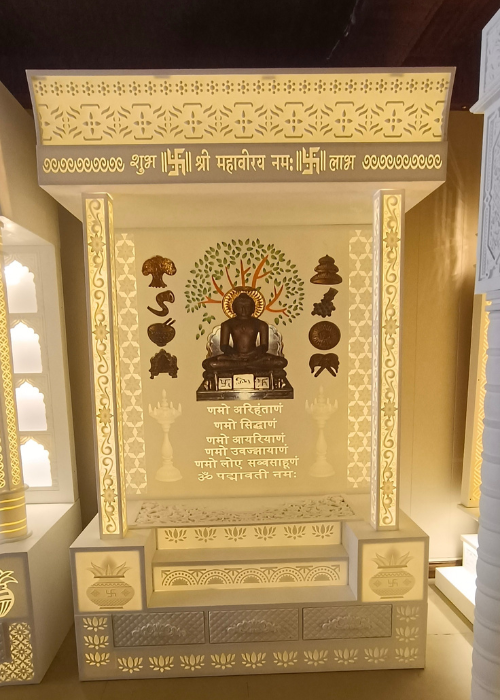
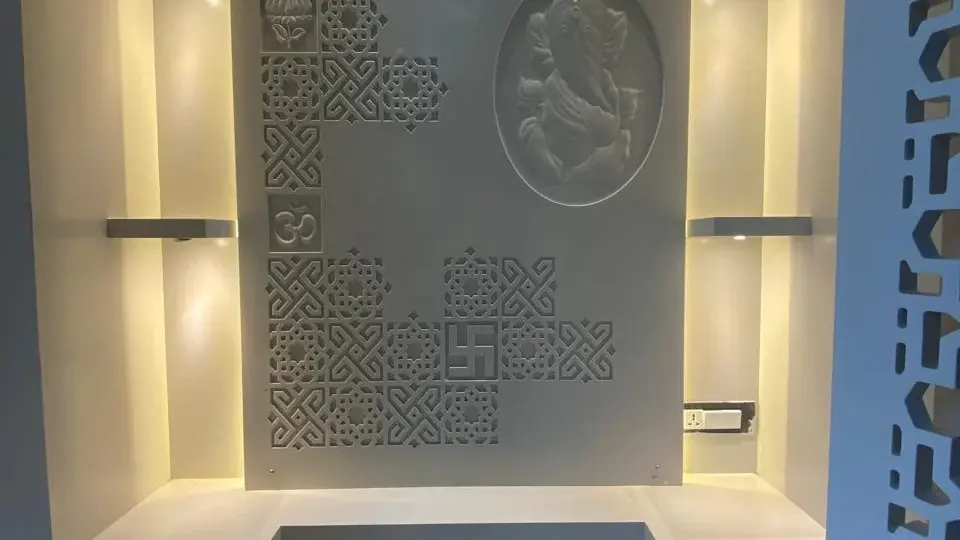
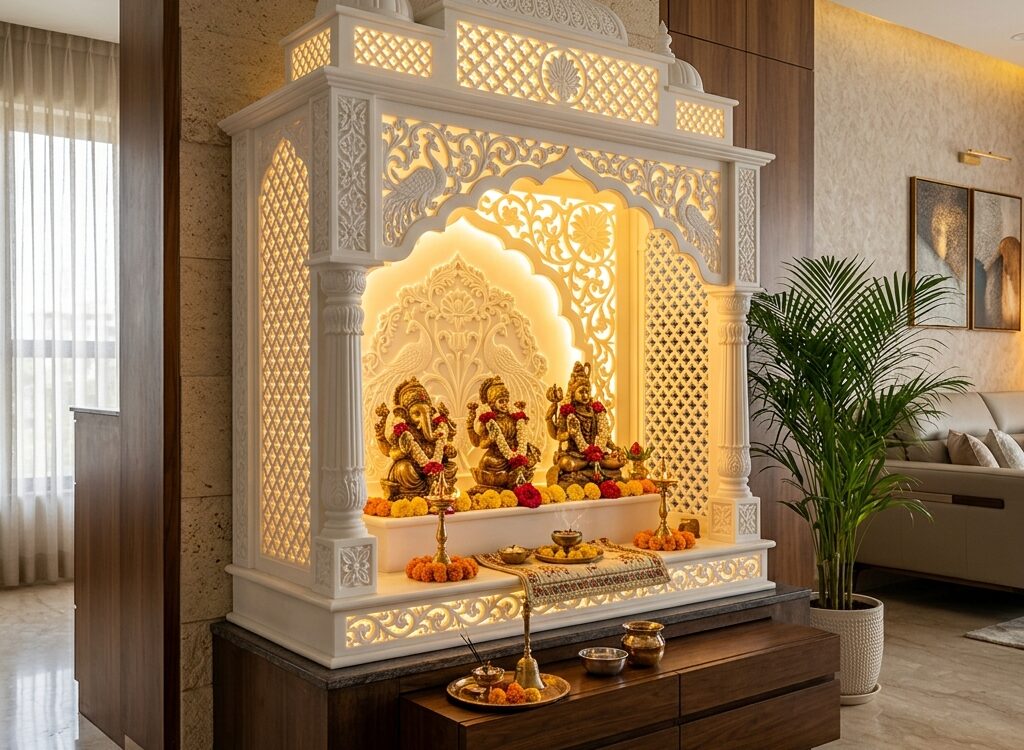
The true magic of a modern Corian temple lies in the integration of CNC (Computer Numerical Control) technology. CNC routers use computer-guided precision to carve incredibly intricate patterns into the solid surface. Whether you prefer traditional Vedic motifs, geometric Islamic patterns, or delicate floral jaalis (lattice screens), CNC technology translates digital designs into flawless physical carvings. These carved jaali panels serve a dual purpose: they screen the inner sanctum of the temple while allowing air and light to flow freely, maintaining a sense of openness.
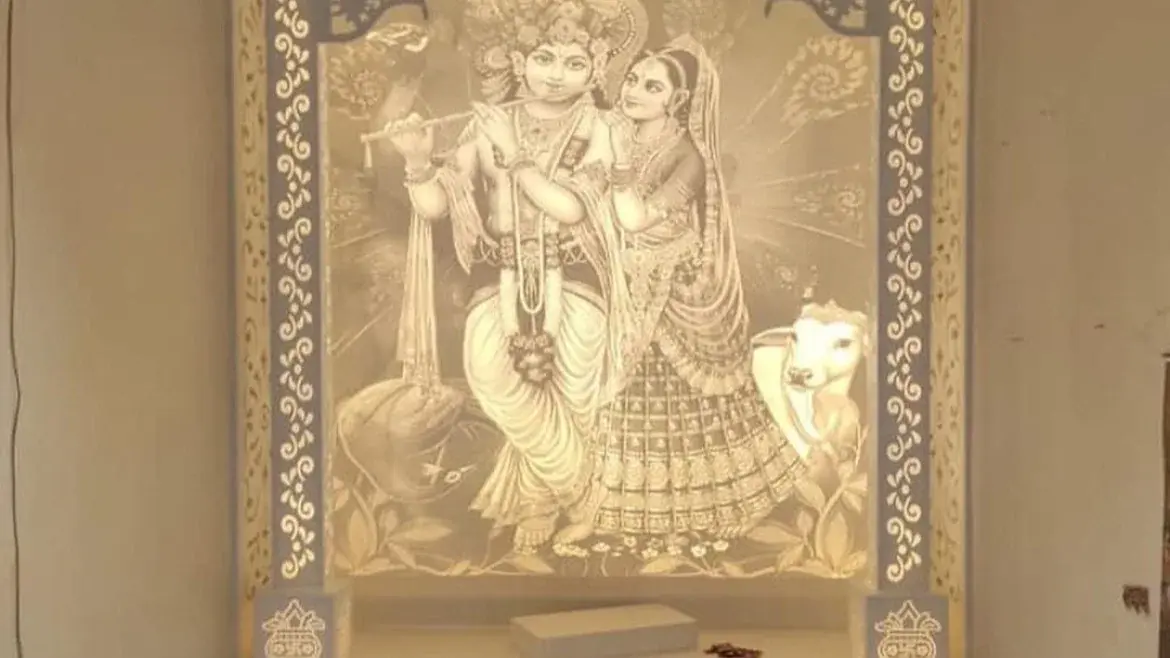
One of the most breathtaking design features of a Corian CNC temple is its interaction with light. Certain colors and thicknesses of Corian possess a beautiful natural translucency. By placing energy-efficient warm LED strips behind a CNC-carved panel, the material diffuses the light, creating a soft, ethereal glow that seems to radiate from within the temple itself. This backlighting highlights the intricate details of the carvings, casting serene shadows and instantly transforming the room into a tranquil, meditative sanctuary as evening falls.
To complete the design, practical hardware and smart storage must be seamlessly integrated. A premium custom temple should feature handleless, push-to-open drawers to store prayer books, cotton wicks, and incense. Incorporating a pull-out tray made of Corian or high-quality brass allows for extra space to place offerings during festivals without cluttering the main altar. Utilizing soft-close drawer runners ensures that the quiet, peaceful atmosphere of your morning prayers is never disrupted by the harsh slamming of drawers.
Corian vs. Traditional Marble: A Practical Comparison
For centuries, natural marble has been the traditional choice for crafting home temples, valued for its organic beauty and spiritual association with purity. However, when integrated into modern, multi-story apartments or compact urban layouts, marble presents significant structural challenges. It is incredibly heavy, requiring reinforced walls or heavy-duty flooring to support its weight. Corian, on the other hand, is significantly lighter, making it highly suitable for floating, wall-mounted temples that save valuable floor space while maintaining a high-end, luxurious aesthetic.
From a maintenance perspective, marble is a highly porous natural stone that requires meticulous care. It easily absorbs liquids, meaning spilled oil from a lamp or stains from saffron can permanently discolor the stone unless it is professionally sealed every few years. Corian requires absolutely no sealing or chemical treatments to maintain its stain-resistant properties. Additionally, while acidic substances like lemon or certain incense chemical residues can etch and dull the surface of natural marble, Corian remains unaffected by daily ritual elements.
In terms of craftsmanship and customization, carving intricate details into marble is a labor-intensive, expensive, and risky endeavor, as natural veins in the stone can cause it to crack during hand-chiseling. CNC carving on Corian is highly predictable, cost-effective for complex patterns, and yields perfectly smooth, splinter-free edges. While marble will always hold a classic appeal, Corian offers a smarter, more resilient, and highly customizable alternative that perfectly aligns with the demands of contemporary living.
Expert Tips for Positioning Your Temple in Modern Homes
When planning the layout of your home, the placement of the temple should balance spiritual guidelines (like Vastu Shastra or Feng Shui) with the practical flow of your daily life. Traditionally, it is recommended to place the temple in the Northeast corner of the home, ensuring you face East or North while praying. In modern open-concept living and dining areas, you can use a freestanding Corian temple with CNC jaali side-panels as a stylish room divider. This partition separates the sacred space from daily household activities without making the room feel cramped or dark.
For smaller apartments or modular homes, utilizing vertical wall space is an excellent design strategy. A floating, wall-mounted Corian temple can be installed at eye level, keeping the floor clear and creating a clean, minimalist look. When planning a wall-mounted unit, work closely with your interior designer to ensure proper wall anchoring and to pre-plan the electrical conduits. Concealing all wires, switchboards, and LED drivers behind the Corian back panel is crucial to maintaining the clean, wire-free aesthetic that defines modern luxury.
Finally, ensure the design of your Corian temple harmonizes with your home’s overall color palette and woodwork. While classic solid white Corian is the most popular choice for its association with peace and light diffusion, you can pair it with warm wooden veneers, brass accents, or charcoal-grey cabinetry to create a striking contrast. Integrating small brass bells or warm wooden framing around the Corian structure bridges the gap between traditional warmth and modern sophistication, making the temple a natural, beautiful extension of your home’s design narrative.
Investing in a custom Corian CNC temple is a beautiful way to honor sacred traditions while embracing the clean, functional design of the modern era. By choosing a material that is as durable and low-maintenance as it is visually stunning, you create a dedicated space for mindfulness that seamlessly integrates into your daily life. Whether you opt for a grand, backlit freestanding unit or a sleek, space-saving floating temple, the combination of Corian’s seamless beauty and CNC precision ensures your home sanctuary remains a source of peace, light, and inspiration for years to come.