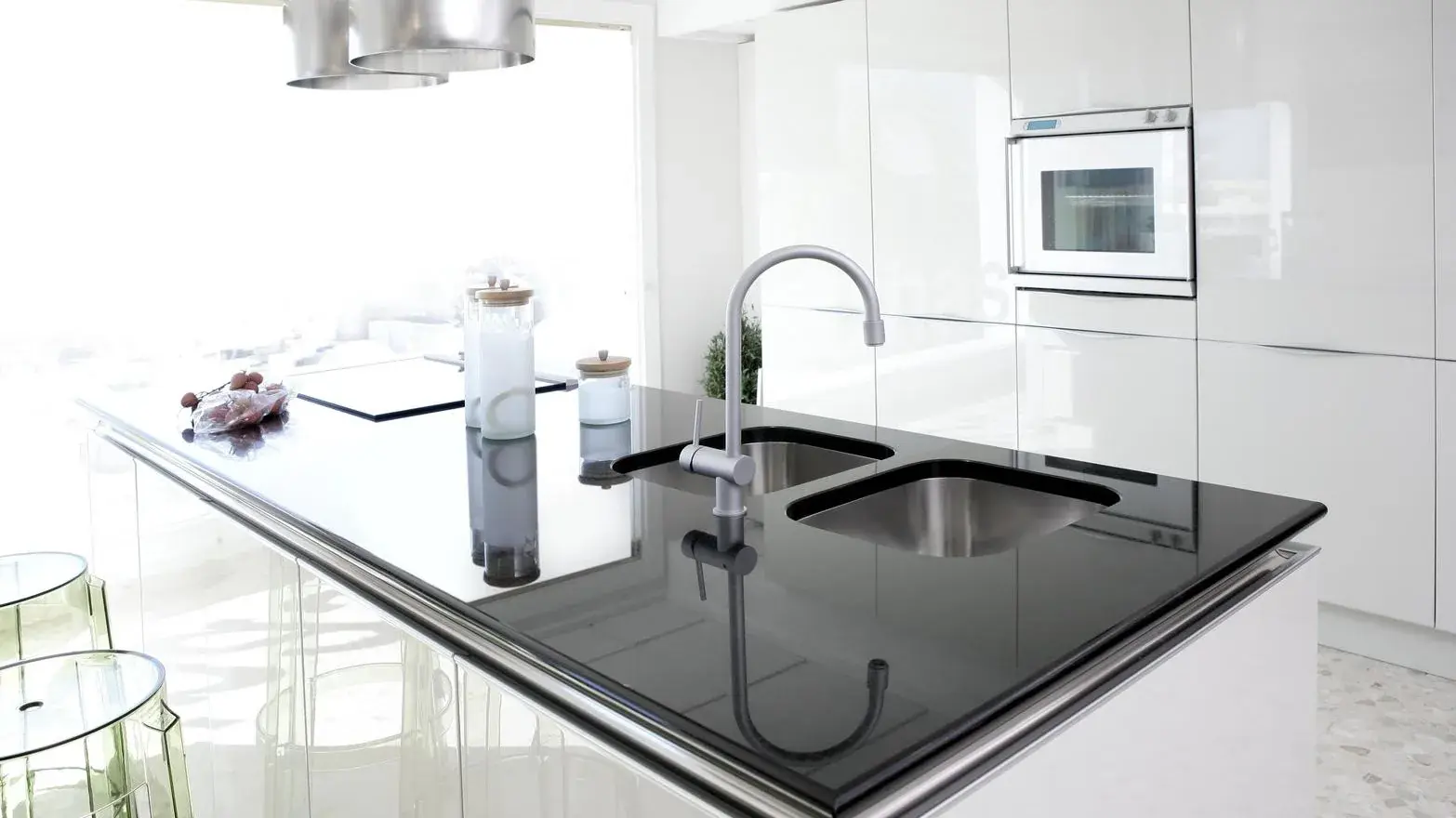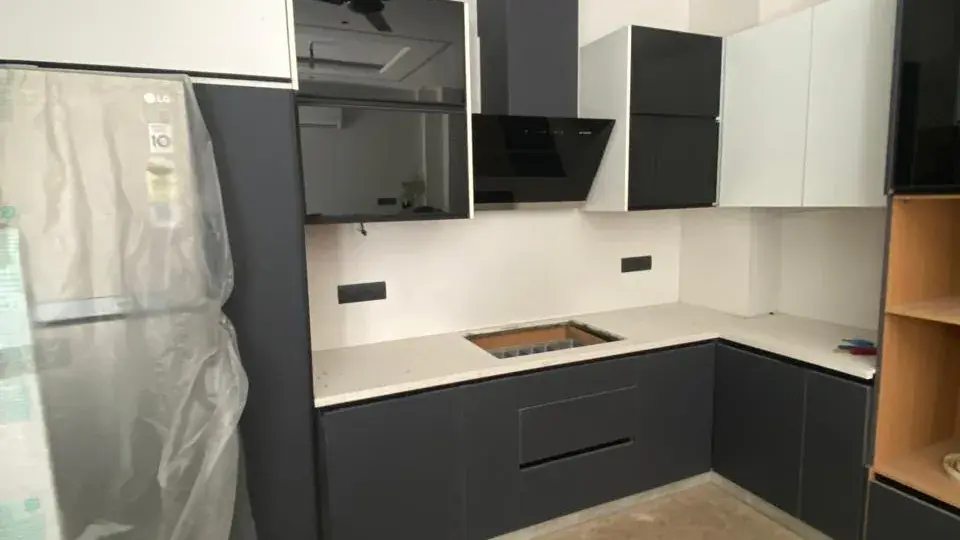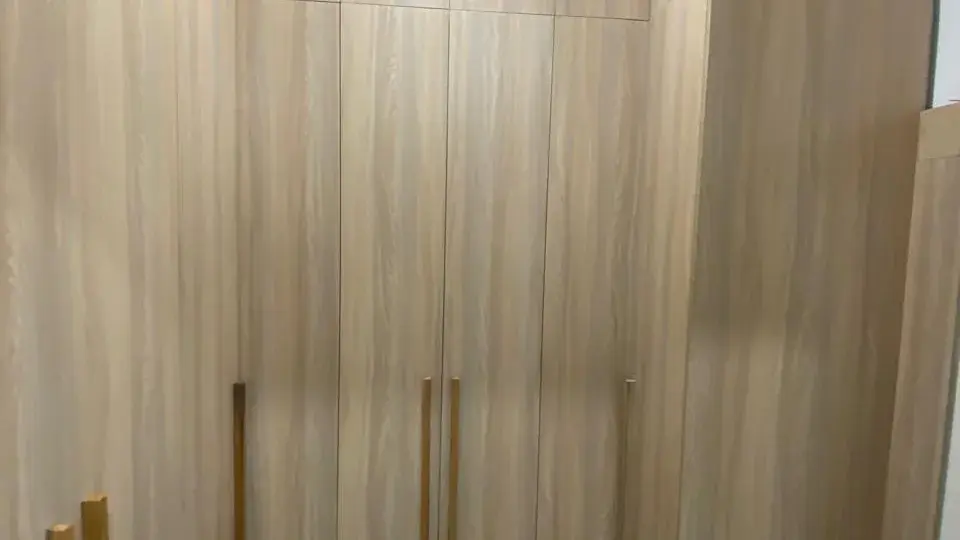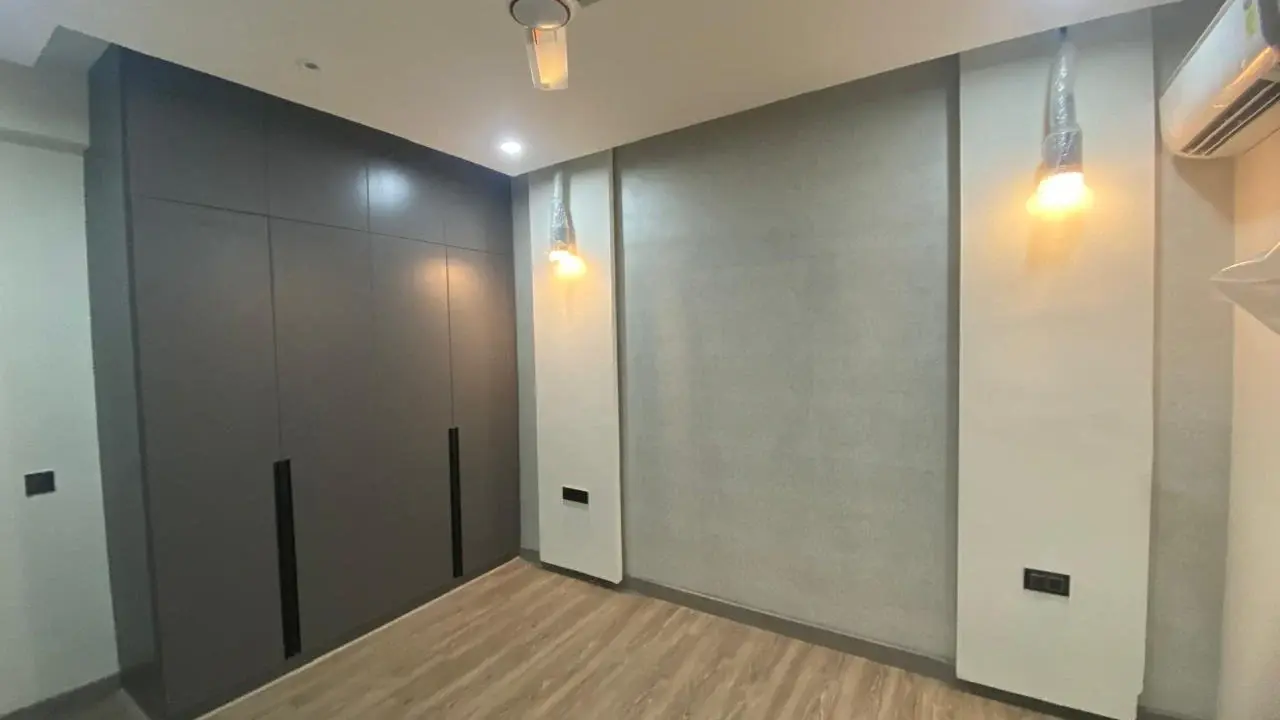
In an era dominated by flat-pack convenience and fast furniture, the allure of the quick fix can be tempting. However, as homeowners and design enthusiasts embark on the journey of building or remodeling their dream spaces, a shift toward mindful consumption is taking place. The kitchen, often referred to as the heart of the home, is no longer just a functional cooking zone; it has evolved into a showcase of personal style, architectural integrity, and long-term value. When it comes to selecting materials for premium cabinetry and custom built-ins, the choice between mass-produced alternatives and handcrafted solid wood is one of the most critical decisions you will make.
While the initial price tag of custom woodwork may seem premium, viewing it as an investment rather than an expense changes the entire equation. Handcrafted solid wood furniture and cabinetry offer an unparalleled combination of durability, aesthetic depth, and soul that synthetic materials simply cannot replicate. In this article, we will explore why investing in bespoke solid wood is the smartest decision for your home, comparing materials, evaluating long-term value, and providing expert advice on selecting the perfect timber for your next interior project.
Why Custom Solid Wood Outlasts Mass-Produced Furniture
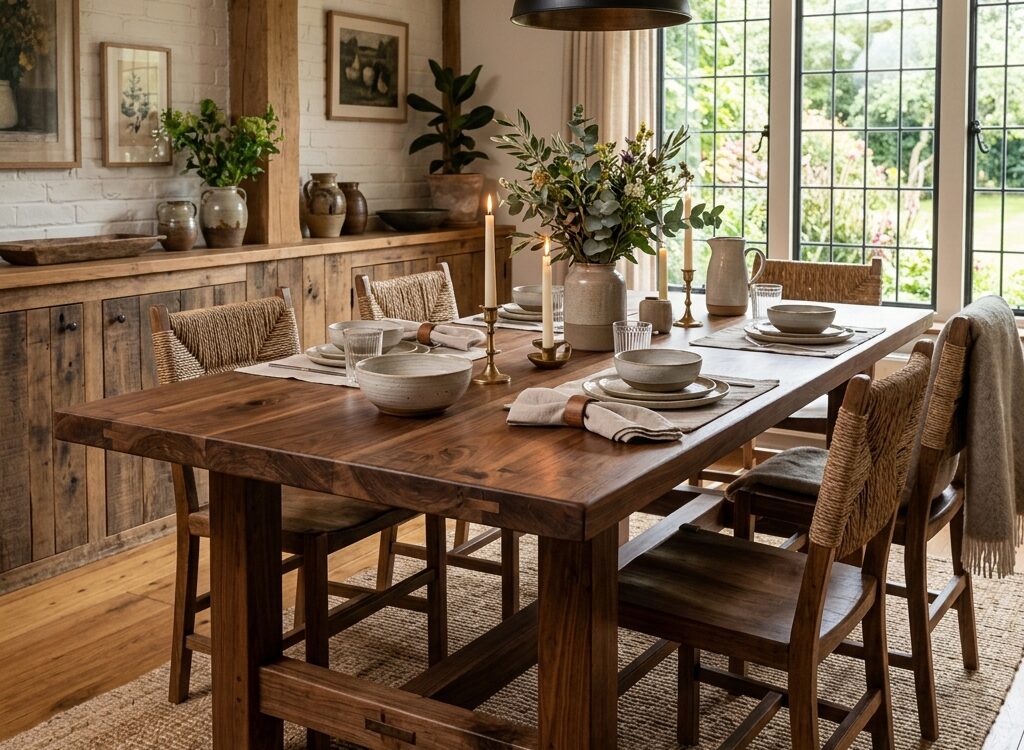
The longevity of custom solid wood furniture lies in the artistry of its construction. Unlike mass-produced furniture, which is churned out in factories using automated staple guns, toxic glues, and flimsy plastic fasteners, handcrafted pieces are built using time-tested joinery techniques. Master craftsmen utilize mortise-and-tenon, dovetail, and dowel joints that allow the wood to expand and contract naturally with changes in humidity and temperature. This structural integrity ensures that drawers won’t sag, cabinet doors won’t warp, and joints won’t wobble, even after decades of daily use in a busy household.
Furthermore, solid wood possesses an inherent resilience to the wear and tear of everyday life. In a high-traffic area like the kitchen, bumps, scratches, and minor dents are inevitable. When a piece of mass-produced, laminate-coated furniture gets chipped, the underlying particleboard is exposed, leading to unsightly swelling and irreversible damage. In contrast, solid wood can be easily sanded down, spot-repaired, and refinished. Instead of replacing an entire cabinet unit due to superficial damage, a quick touch-up can restore solid wood to its original splendor, saving you time, money, and hassle in the long run.
Finally, there is an irreplaceable emotional and environmental value in pieces built to last generations. Heirloom-quality furniture does not end up in a landfill after a few years of use; it matures alongside your family. Over time, high-quality timber develops a rich patina, a unique surface character that tells the story of your home. By choosing custom solid wood over disposable alternatives, you are making a sustainable choice that reduces waste and honors the natural lifecycle of the forest, ensuring that your investment remains beautiful and functional for your children and grandchildren.
Premium Materials: Solid Wood vs. Engineered Boards
To understand the true value of solid wood, it is essential to compare it to engineered alternatives like Medium-Density Fiberboard (MDF), plywood, and particleboard. Engineered boards are created by bonding wood fibers, shavings, or veneers together with synthetic resins and adhesives under high pressure. While high-quality plywood has its place in cabinet box construction due to its stability, many mass-produced kitchens rely heavily on low-grade particleboard covered in thin plastic laminates. These materials lack the structural fiber continuity of natural timber, making them inherently weaker and far less resilient over time.
Moisture resistance is another critical battleground where solid wood proves its superiority, especially in kitchen and bathroom environments. When steam, spills, or leaks inevitably occur, engineered boards act like sponges. Once moisture penetrates the thin outer laminate layer of MDF or particleboard, the internal fibers swell, causing the material to delaminate, crumble, and lose its structural integrity entirely. Solid wood, when treated with premium, food-safe oils or marine-grade sealants, naturally repels water and can withstand the humid microclimate of a active kitchen without structural failure.
Beyond durability, health and indoor air quality are paramount considerations for modern homeowners. Many engineered wood products contain volatile organic compounds (VOCs) and formaldehyde-based binders that slowly off-gas into your living spaces for years after installation. Solid wood is a clean, natural material that promotes a healthier indoor environment. By opting for sustainably sourced solid timber finished with low- or zero-VOC natural oils, you ensure that your premium modular kitchen is not only visually stunning but also safe for your family and pets.
Why Handcrafted Woodwork Boosts Your Home’s Value
In the real estate market, discerning buyers can instantly spot the difference between a kitchen outfitted with generic, off-the-shelf cabinets and one featuring custom, handcrafted woodwork. Bespoke cabinetry acts as a visual anchor, elevating the entire aesthetic of the home and signaling to potential buyers that no expense was spared in its construction. This perceived value translates directly into market appeal; homes featuring custom architectural details and premium natural materials consistently sell faster and command higher asking prices than those with standard builder-grade finishes.
From a financial return on investment (ROI) perspective, kitchen remodeling remains one of the most lucrative home improvement projects you can undertake. However, that ROI is heavily dependent on the durability of the materials used. If you install cheap cabinets, they will likely look worn, dated, and structurally compromised by the time you decide to sell your home in ten years. Investing in custom solid wood ensures that your kitchen maintains its pristine, high-end appearance for decades, preserving your remodeling investment and eliminating the need for a costly pre-sale renovation down the road.
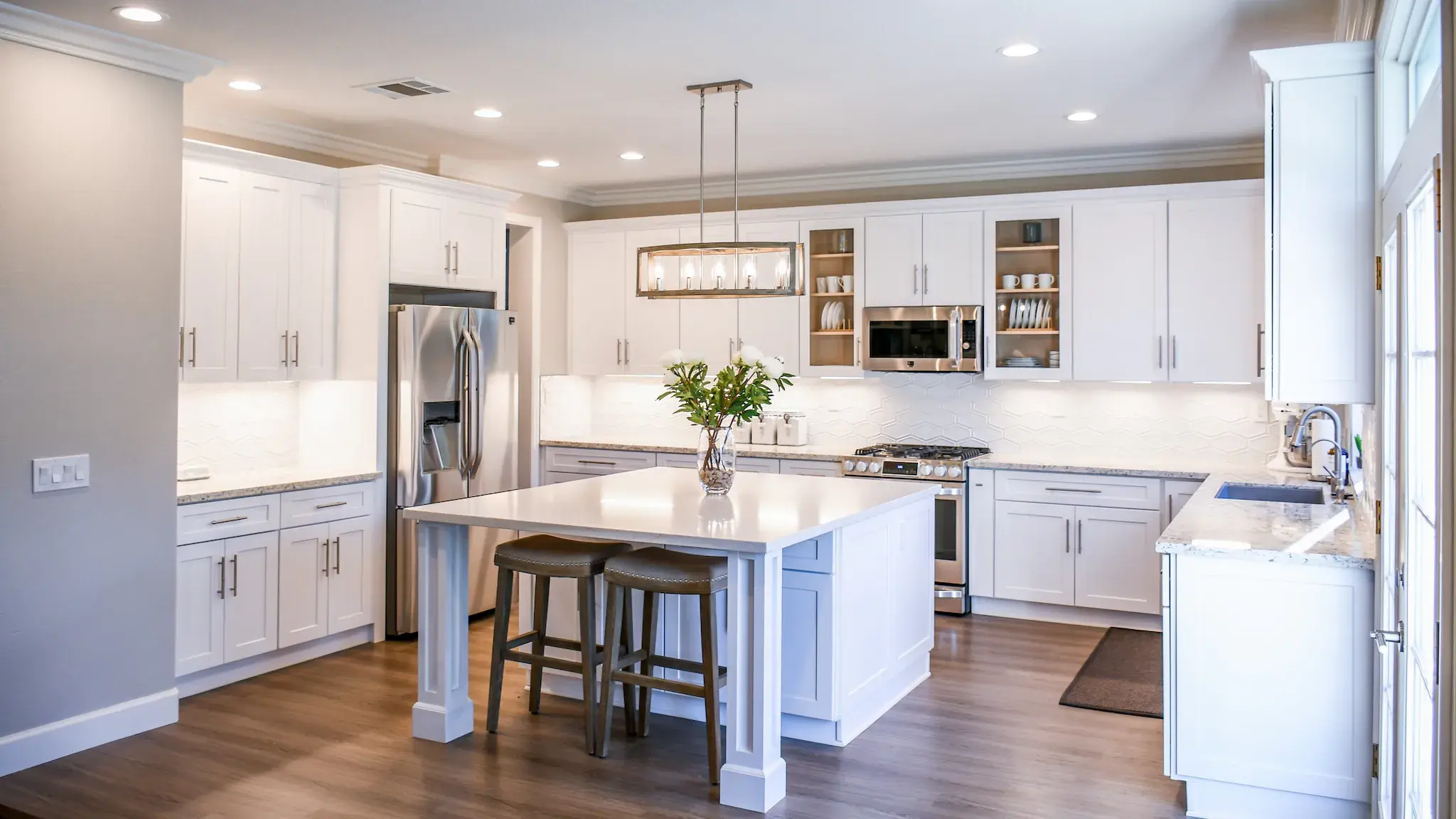
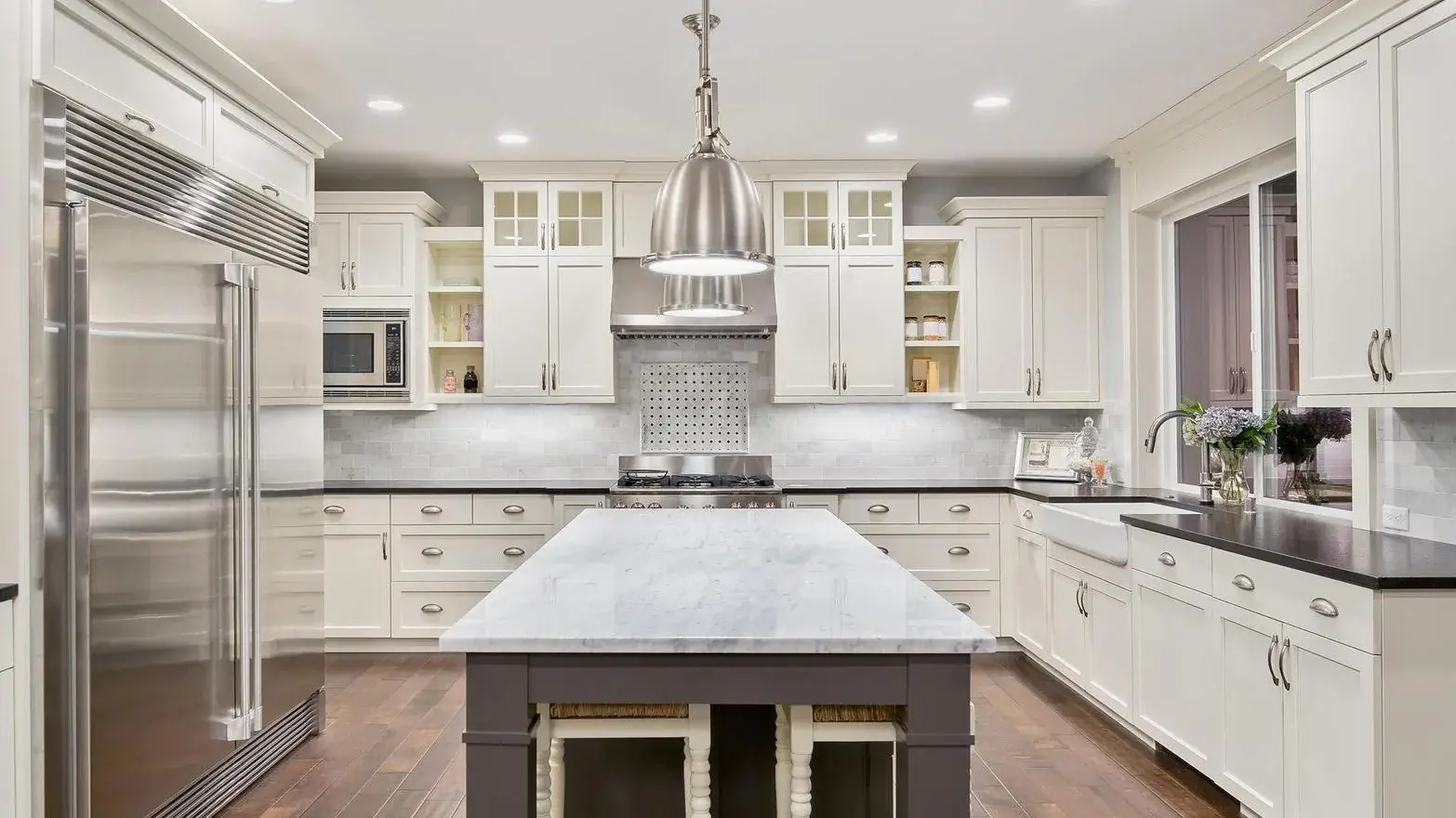
Moreover, handcrafted woodwork allows for complete spatial optimization. Mass-produced cabinets come in standard, rigid dimensions, often requiring filler strips to mask awkward gaps, which wastes valuable kitchen real estate. A custom craftsman designs cabinetry to fit the exact contours of your architectural space, maximizing storage capacity and creating integrated solutions for modern appliances. This level of tailor-made functionality and seamless design integration is a highly coveted luxury feature that adds undeniable practical and emotional value to your property.
Expert Tips for Choosing the Right Wood for Your Kitchen
Selecting the ideal wood species for your custom kitchen involves balancing aesthetic preferences with practical performance needs. For high-utility areas like countertops, kitchen islands, and cabinet faces, hardwoods are the gold standard. White Oak and Walnut are currently leading the design trends, and for good reason. White Oak offers a dense, tight grain pattern that is exceptionally resistant to dents and moisture, while American Walnut provides a rich, chocolate-brown warmth with elegant swirling grain patterns that add instant luxury to modern and transitional spaces.
Beyond selecting the species, pay close attention to the cut of the wood and the type of finish applied. Quartersawn or rift-sawn timber, though more expensive, offers superior stability and a straighter grain pattern compared to flatsawn wood, making it less prone to cupping or twisting. When it comes to finishes, discuss low-sheen, penetrating oil finishes with your craftsman. Unlike thick polyurethane coatings that can crack and yellow over time, natural oils penetrate deep into the wood fibers, highlighting the organic texture while allowing the wood to breathe and making localized repairs incredibly easy to perform.
Lastly, consider how your chosen wood will harmonize with your home’s overall design narrative and lighting conditions. Lighter woods like Hard Maple and Ash can make a compact kitchen feel airy, bright, and Scandinavian-inspired, while darker woods like Cherry and Walnut excel in creating dramatic, cozy, and sophisticated culinary hubs. Work closely with an experienced interior designer or master woodworker who can analyze your lifestyle, cooking habits, and local climate to recommend a wood species that will perform beautifully and age gracefully in your unique home environment.
Ultimately, choosing handcrafted solid wood for your home is an exercise in intentional living. It is a departure from the culture of convenience and a step toward celebrating authentic craftsmanship, natural beauty, and structural permanence. While the initial commitment requires a greater financial outlay, the dividends it pays in daily enjoyment, structural reliability, environmental health, and home equity make it the undisputed smarter investment for your interior design journey. By filling your home with materials that have a soul, you create a living space that is not only highly functional but also deeply comforting, timeless, and uniquely yours.